
Live Dream Catcher Casino UK: How It Works
 Available in GB

Live dealer play pairs a real-time studio stream with on-screen betting, while table pace and rules shape the experience.
Table of Contents
- How Live Casino Streaming Works
- What to Expect from a Live Dream Catcher Session
- How to Assess a Live Casino Before You Play
- The Mechanics Behind Live Blackjack
- How the Live Roulette Wheel Changes the Odds
- What to Check on a Live Casino Site
- What a Demo Can—and Cannot—Tell You
- How to Read the Roulette Rules Before Playing
- Set Your Limits Before You Join a Live Table
- Check Bonus Terms Before Using a Live Casino Offer
How Live Casino Streaming Works
A live dealer game combines a physical game taking place in a studio with a betting interface on your screen. The dealer handles the game in real time, while cameras send the action to your device. You watch the stream and use the interface to place bets. The two parts work together, but they do different jobs: the video shows what is happening, and the interface records your choices.
This is different from a purely digital game, where the action is generated by software rather than shown as it happens in a studio. In a live game, you can see a human dealer and the physical play. The pace therefore depends partly on the activity at the table, as well as on the time you take to make a decision. Live games run more slowly than digital versions, so a round may take longer to follow and complete.
From the studio to your screen
The stream carries a view of the studio to your device. You see the dealer and the physical game through the camera feed, while the online interface presents the controls for taking part. You do not need to be in the studio or communicate a bet verbally: your selections are entered on screen.
If you’re looking for a live Dream Catcher casino in the UK, payout timing is one practical detail to check alongside whether a site suits your needs. These brief verdicts note the withdrawal information available for each option.
1. Amunbet
Payout speed: 1-3 business days Amunbet lists a payout speed of 1–3 business days. That gives you a stated timeframe to consider when assessing it.
2. NightWin
Payout speed: 1-3 business days NightWin lists a payout speed of 1–3 business days. You can use this stated timeframe as one point of reference.
3. SlotoSport
Payout speed: 1-3 business days SlotoSport lists a payout speed of 1–3 business days. This provides you with a clear stated timeframe for payouts.
4. Britsino
Payout speed: 1-3 business days Britsino lists a payout speed of 1–3 business days. Keep that stated timeframe in mind when considering it.
5. EvoSpin
Payout speed: 1-3 business days EvoSpin lists a payout speed of 1–3 business days. This is the available detail to consider about its payouts.
6. x3bet
Payout speed: 1-3 business days x3bet lists a payout speed of 1–3 business days. You have a stated timeframe to factor into your choice.
7. SpinFormula
Payout speed: 1-3 business days SpinFormula lists a payout speed of 1–3 business days. Consider this stated timing as part of your assessment.
8. WinBeast
Payout speed: 1-3 business days WinBeast lists a payout speed of 1–3 business days. This gives you a stated payout timeframe to refer to.
9. Dieselwin
Payout speed: 1-3 business days Dieselwin lists a payout speed of 1–3 business days. The stated timing is a practical detail for you to weigh.
10. Jetsetspins
Payout speed: 1-3 business days Jetsetspins lists a payout speed of 1–3 business days. You can factor this stated timeframe into your decision.
A useful way to understand the arrangement is to treat the video and the betting controls as separate components of one session. The video lets you observe the live action. The controls let you submit a choice. The fact that you can see a moment on screen does not, by itself, show that a bet has been recorded; the interface is where you make and confirm your selection. Pay attention to its displayed status rather than relying only on what appears in the video.
This distinction matters when you are watching a live game such as Dream Catcher. Searching for a Dream Catcher online casino or considering where to play Dream Catcher online does not change the basic streaming process: a live dealer game uses a studio feed alongside on-screen betting controls. The particular game determines what choices the interface offers, but the shared live-casino structure remains the same.
What the interface does
The interface is the point where you interact with the game. It displays the available controls and lets you enter a bet without interrupting the studio action. Once you have made a selection, use the interface’s own indication that it has registered your choice. If the display is unclear or the connection falters, do not assume that a click has had the intended result.
Casino Dice Game UK: Rules, Formats and Licensing
This is also why live play can feel less immediate than a game that runs entirely on your device. The dealer carries out the physical action, the stream shows it, and you make choices through the online controls. Each part has to remain understandable to you as the round progresses. The game does not become faster because you can click quickly; its pace is tied to the live session.
The controls and the video should remain in view together where possible. If you focus only on the stream, you may miss information shown in the interface. If you focus only on the controls, you may lose sight of the live action they relate to. Keeping both visible helps you connect your selection with the state of the session.
Why the connection matters
A stable internet connection is needed because the game depends on a live video feed and an interactive interface. If the connection becomes unreliable, the stream may stop updating smoothly or your interaction with the controls may be disrupted. That can make it harder to follow what is happening and to tell whether your selection has registered.
Before joining a live table, make sure your connection can maintain a steady stream. If the video freezes or the controls stop responding, pause rather than repeatedly submitting a choice. Wait until the display is clear and check the interface status before continuing. A stable connection does not alter the rules of a game, but it helps you observe the session and use its controls as intended.
Attention: A stable internet connection is required to maintain the live video feed and interactive interface, as unreliable connections can disrupt your ability to follow the session and register selections.
Live games also have higher minimum bets than digital versions. That affects the practical cost of taking part, independently of how the video is delivered. Check the amount shown at the table before you join; do not assume that a live table will have the same entry point as a digital game.
For a reader comparing live Dream Catcher online casinos, these shared mechanics are a starting point, not a judgement about any particular site. The essentials are the studio stream, the human dealer, the on-screen betting interface, the slower pace and the connection needed to keep the session usable. The same structure applies whether you are looking at Dream Catcher or another live dealer game. This explanation is for entertainment purposes only and is not gambling advice.
What to Expect from a Live Dream Catcher Session
Before joining a live Dream Catcher table, take a moment to identify what the screen is actually showing. The game title tells you which session you have opened, but it does not explain every rule, bet option or control. Those details should be visible in the game’s own information panel or rules menu. Read them before placing a bet: the interface is part of how you understand the session, not merely a way to submit a wager.
Start with the rules panel
Find the rules or help control before the game gets under way. Check how the game describes its available bets, what counts as a winning selection and how any displayed payout is calculated. If a term or symbol is unclear, use the explanation provided by the game rather than relying on its appearance or name. A graphic can suggest what an option does without stating its conditions.
Online Casino Tournaments UK: Formats and Scoring
Pay attention to any distinction the rules make between a bet, a result and a payout. These are separate pieces of information: your selection is the bet, the game produces a result, and the paytable states what follows from that result. The displayed rules should let you connect them. If you cannot tell what a selection covers or what a win would pay, pause rather than guess.
Look for the full set of rules, not only brief labels beside the betting controls. The main screen may show concise names to save space, while the information panel provides the definitions. Check whether the rules identify any conditions that change how a selection is treated. Do not infer that two options work alike just because their labels or positions seem similar.
Read the screen in stages
A live game interface generally brings several kinds of information together: a video area, a betting area and controls for viewing details or managing selections. Work out which part is which before the session becomes busy. The video shows the live presentation; the betting area is where you choose from the options available to you; other controls may open the rules or display information about the current round. Their exact arrangement can differ between interfaces, so follow the labels on the screen in front of you.
Notice when the interface indicates that selections are open and when it indicates that they are closed. A live session moves through stages, and the betting controls may not accept a selection at every moment. Check the status shown on screen instead of assuming that a click has registered. Before the round proceeds, confirm that the selection you intended is visibly recorded. If it is not, do not treat it as an active bet.
Do
- Read the rules or help panel before the game starts
- Confirm your selection is visibly recorded on the interface
- Use the interface to verify that a bet has registered
Don’t
- Guess the meaning of a symbol based on its appearance
- Assume a click has registered if the connection falters
- Rely only on the video stream to confirm a selection
The video and the controls serve different purposes. Watching the dealer or game presentation can help you follow the session, but the video itself does not confirm that your intended selection was entered. Use the interface’s own bet or selection display to verify that. Likewise, a control that changes the view should not be mistaken for one that places a bet; read its label and check the result of using it.
Separate the live presentation from the game rules
The word “live” describes the presentation, but it does not replace the rules. In live roulette, a dealer spins a physical wheel; computerized roulette instead uses a Random Number Generator. That difference tells you how the result is produced, but it does not tell you which bets a particular screen offers or how those bets pay. For a Dream Catcher session, use the rules shown for that specific game rather than assuming that familiar roulette terms explain every feature.
Keep the video and the written information in view as you learn the layout. The video lets you follow what is happening in the live presentation, while the rules panel explains the meaning of the options. Neither should be used as a substitute for the other. If a visual cue seems to conflict with the written rules, stop and clarify the rule before making a selection.
Live Casino Lightning Roulette UK: How It Works
Follow one round without rushing
When you first open the table, observe how the screen changes as a round progresses. Note where the interface signals the point at which selections can be made, how it displays your choices and how it indicates that the round has moved on. This gives you a practical map of the session without requiring you to act immediately.
A steady connection matters because a live stream and the betting interface both need to remain usable. If the picture freezes, becomes difficult to follow or appears out of step with the controls, avoid relying on the video alone to judge the game’s status. Check the information displayed in the interface and wait until the session is clear again.
Treat the displayed rules as the reference for that table, and verify your selection on screen before a round proceeds. This approach helps you understand the experience without assuming that a familiar title, image or live presentation tells you more than the game has actually explained.
How to Assess a Live Casino Before You Play
Start with the licence, not the game selection. In the UK, a live dealer casino serving players must hold a current operating licence from the UK Gambling Commission. A polished website or a familiar game title does not establish that the operator is authorised. Find the operator’s legal name and licence information on the site, then compare those details with the Commission’s public register. If the identity or licence status cannot be matched, do not treat the casino as a suitable place to play.
In the UK, a live dealer casino must hold a current operating licence from the UK Gambling Commission to be authorised.
A licence is a threshold check, not a verdict on every part of the service. It tells you that the operator is within the UK regulatory system; it does not tell you whether a particular table suits your budget, connection or preferred pace. Assess those practical conditions separately. You are deciding whether the experience is workable for you, not whether a site can be called the “best” in the abstract.
Check that the game fits your requirements
Confirm that the live game you want is actually available to you and that its table information is visible before you join. For a Dream Catcher session, this means checking the game’s own displayed rules and interface rather than assuming that every casino presents it in the same way. The title alone cannot tell you how clearly the available information is arranged or whether the controls are easy for you to follow.
Look for a clear distinction between the game display and the betting controls. You should be able to identify where the current round’s information appears, how a selection is made, and whether the interface shows when betting is open or closed. If those elements are hard to distinguish on your device, it may be difficult to follow the session at its normal pace. Do not rely on a description elsewhere when the casino’s own table screen can show what you will actually use.
Mines Casino Game in the UK: Rules and Risks
The information should also be legible without requiring you to guess at labels or controls. Check the table on the device you expect to use, because a layout that is clear on a large screen may be cramped on a smaller one. If the screen makes it hard to track the game and your selections at the same time, that is a practical reason to pause rather than join immediately.
Compare the pace and connection demands
Live games move more slowly than digital versions because play is presented through a live dealer format. That pace may suit you if you want to follow each stage as it happens, but it also means you should not expect the same rhythm as an automated game. Consider whether you can give the session your attention without feeling pressured to act before you understand the screen.
A stable internet connection matters because the game and the controls need to remain usable together. Test the connection and the site’s live table before staking money. If the picture freezes, the controls respond inconsistently, or the display falls behind, you may not be able to follow the round properly. A connection that works for browsing ordinary pages is not necessarily reliable enough for uninterrupted live play.
The table’s minimum stake is another suitability check. A specialist review has reported starting stakes of around 20p for many live roulette and baccarat tables, while blackjack tables often have higher starting limits. Treat that as a report from one type of source, not a promise about current availability or a general market rule. The amount shown on the actual table is what matters. Check it before entering, and make sure the available starting level is compatible with what you are prepared to spend.
Assess Live Casino
- Verify the operator’s UK licence via the Commission’s public register
- Confirm the game’s rules and interface are legible on your device
- Test the stability of your internet connection
- Check the table’s stated minimum stake
Separate suitability from promotion
Do not use a welcome offer as a substitute for assessing the game or the operator. An offer can have conditions that change how it applies to live play, so its presence does not prove that a table is suitable or that the terms match your plans. Review the relevant terms independently before opting in; the table itself and the offer are separate decisions.
A useful assessment can therefore be made in sequence: verify the operator’s UK licence, confirm that the game and its displayed information are available, check that the interface is usable on your device, test whether your connection is stable, and inspect the table’s stated minimum. Each check answers a different question. Passing one does not compensate for failing another.
If any essential detail is unclear, stop and resolve that uncertainty before joining. You do not need to decide based on a ranking or a broad claim that a casino is the best. Suitability depends on whether the operator is licensed and whether the specific live experience is understandable and workable for you. This information is for entertainment purposes only, not gambling advice.
The Mechanics Behind Live Blackjack
Live blackjack combines a physical card game with a digital table interface. A human dealer handles the cards in real time, while you follow the deal on screen and interact with the game through the controls provided. The cards are physical rather than generated as part of a computerised deal, so the action you see comes from the dealer’s table.
Crazy Time Live Casino Game in the UK
The objective is to finish with a hand that beats the dealer’s without going over 21. That target shapes each decision: a hand can be strong enough to challenge the dealer, but taking it beyond 21 means it no longer meets the objective. The dealer’s hand is the point of comparison, so the result depends on how the two hands stand against each other under the table’s rules.
What happens during a hand
The dealer deals physical cards from a standard deck. You watch those cards appear in the live stream, then use the on-screen interface to take part in the hand. The stream lets you see the dealer and follow the action as it happens; interaction is through the game controls, not by handling the cards yourself.
The exact choices available and how a hand proceeds depend on the table’s rules. Read those rules before playing rather than assuming that every table uses identical conditions. The interface should make the available controls and relevant information visible. If a rule or control is unclear, pause to check it before placing a bet or making a decision.
This separation between the physical deal and the digital controls matters. The dealer manages the cards, while you use the interface to participate. The stream shows the dealing process, but it does not change the goal: make a hand that can beat the dealer without exceeding 21. A live format makes the dealer and cards visible; it does not remove the need to understand the table rules.
Decisions and uncertainty
Blackjack involves decisions, but that does not mean you can guarantee a result. The dealer’s cards and your own hand determine how the round develops, and the game retains a house edge. A sequence of wins does not remove that edge, and a sequence of losses does not make a later win certain.
Staking Risks
Increasing stakes after a loss, such as using the Martingale system, cannot overcome the house edge and can lead to larger financial losses.
Staking systems such as Martingale do not change the cards or the underlying advantage. Increasing a stake after a loss can leave you with larger losses if the next hand also goes against you. A betting pattern therefore cannot turn an uncertain game into a predictable one. Treat each hand as a separate risk, rather than assuming that a particular staking sequence will recover earlier losses.
The live presentation can make it easier to see the dealing and follow the pace of a hand, but visibility is not control over the outcome. The dealer handles the physical cards; the interface lets you participate; and the objective remains to beat the dealer without going above 21. Understanding those parts helps you distinguish what the format shows from what it cannot guarantee.
How the Live Roulette Wheel Changes the Odds
A live dealer roulette wheel and computerized roulette produce results in different ways. In a live game, a dealer spins a physical wheel and releases the ball; in a computerized version, a Random Number Generator (RNG) determines the result. The presentation changes, but the key question for the odds is the set of possible outcomes: how many pockets can the ball land in?
European Roulette has a single green pocket, numbered 0. American Roulette has two green pockets, 0 and 00. Those layouts give the American wheel one more possible result. If you select a single number, the chance of winning is one in 37 on the European layout and one in 38 on the American layout. The extra pocket matters because it is another outcome that can occur without matching your selection.
Chicken Road Game in UK Casinos: How It Works
The same principle applies to a bet covering more than one number: its chance depends on how many pockets the bet covers compared with the total number on that wheel. Keeping the layout in view makes it easier to understand why a bet with the same number of covered pockets does not have identical odds across the two versions.
What the physical wheel changes—and what it does not
The live wheel makes the process visible: you can watch the dealer spin it and see where the ball settles. That does not remove the importance of the wheel layout. A physical spin still has to resolve to one of the pockets, and the additional 00 on an American wheel remains part of the possible outcomes. Computerized roulette replaces the visible physical spin with an RNG, but the number of pockets in the selected version still determines the possible results.
So, when comparing live dealer roulette with a computer-based game, separate the method of generating a result from the layout used. Live play means a physical wheel and dealer; computerized play means an RNG. European and American describe different pocket arrangements. The first distinction is about how the result is produced, while the second affects how many outcomes are available.
The title or presentation of a game is not enough to identify its odds. Check the stated wheel type and confirm whether its layout includes 0 alone or both 0 and 00. If the game uses the American layout, a single-number selection has a one-in-38 chance; with the European layout, it has a one-in-37 chance. The wheel’s appearance may be part of the live experience, but the pocket count is what changes these particular odds.
European Roulette
Features a single green pocket (0), providing a one-in-37 chance for a single-number selection.
American Roulette
Includes two green pockets (0 and 00), resulting in a one-in-38 chance for a single-number selection.
What to Check on a Live Casino Site
Before opening a live table, check the minimum stake shown for that specific game. Starting limits can differ between games and tables, so a figure reported elsewhere is not a reliable guide to the table you are considering. A specialist review reports that some live roulette and baccarat tables have started at around 20p, while blackjack tables have had higher entry limits. Treat that as a report from one review, not a standard across live casinos or a promise about a particular Dream Catcher table. The current limit displayed in the site’s lobby or table information is the figure that matters.
Also check whether the table accepts the stake you intend to use. A minimum is only the entry point; the available betting controls may show other permitted stakes. Read the table information before joining, and do not assume that limits shown for one live game apply to another. If the site does not make the starting stake clear before you enter, look for the table’s rules or help information rather than relying on a general description of the casino.
A welcome offer needs a separate check. A specialist review describes many UK welcome offers as free spins for slots, which cannot be used at live tables. That does not establish the terms of every offer: read the operator’s own conditions to see whether the promotion applies to live casino play at all. If it does, check how live games count towards any wagering requirement. Live games may contribute only a small portion; one cited example is a 10% weighting. The actual contribution is determined by the offer’s terms, not by the game’s presence in the live lobby.
JetX casino game in the UK: labels and access
Check whether the offer also sets a maximum stake while it is active. A table may be available to you but still be unsuitable for use with a promotion if its conditions exclude live games or restrict eligible bets. Confirm these details before opting in, since accepting an offer can attach rules to play that would otherwise be unrestricted by that promotion.
These checks answer different questions: the table limit tells you what it costs to join, while the offer terms determine whether live play qualifies and how it is counted. Read both on the site before making a decision.
What a Demo Can—and Cannot—Tell You
If a demo option is available, it can let you inspect the screen before risking money. You can learn where the betting controls appear, how selections are displayed and where to look for the information presented during a round. That familiarity may make the interface easier to follow if you later join a real-money table.
A demo is useful for testing your own understanding of the controls: whether you can identify the available choices, place a selection and tell when the interface is ready for another action. It can also show how information is arranged on screen.
A demo mode is useful for testing your understanding of the controls and layout, but it does not provide real winnings or guarantee outcomes in live play.
A live table and a demo should not be treated as interchangeable. Live dealer games show real-time play with a human dealer, and your bets are entered through an on-screen interface. A demo, where offered, may present controls for practice, but that alone does not tell you how a live session will look or behave. Check the live table’s displayed rules and controls before playing rather than assuming that details from a demo carry over.
Practice mode does not provide real winnings. Any balance or result shown in a demo is not money you can withdraw, and success in practice does not guarantee a particular outcome when playing for money. The purpose is to become familiar with the screen, not to predict what will happen in a live round.
For a Dream Catcher live casino demo, first confirm that the option is actually available on the site you are using. If it is, inspect what the screen lets you do and what information it displays; do not assume every version offers the same layout or controls. If no demo is offered, you can still read the live table’s rules and examine its interface before deciding whether to join.
Use practice only as an orientation aid. It cannot establish that a live table will suit your preferences, and it cannot remove the financial risk of real-money play. This material is for entertainment purposes only, not gambling advice.
How to Read the Roulette Rules Before Playing
Before placing a roulette bet, identify what the table means by each selection and how it settles the wager. A straight-up bet selects one number: if the ball lands on that number, the selection wins. Other bets cover a different set of outcomes, so their chance of winning and the amount paid are not the same as for a straight-up selection.
The table rules and paytable should be read together. The rules define which outcomes a bet covers; the paytable states what happens to the stake when that selection wins or loses. Check whether the displayed rules apply to the particular table you have opened, rather than assuming that a familiar label guarantees identical terms everywhere. If a selection or settlement rule is unclear, pause before betting.
The house edge is another way to compare bet types. The stated edge for a straight-up bet is 2.9%, while other roulette bets have a 2.7% edge. These figures describe the house advantage associated with the bet category; they do not predict the result of an individual spin. A bet with a lower edge can still lose, and a winning spin does not change the rules for the next one.
Zero deserves specific attention because its treatment can depend on the roulette rules. In French Roulette, an even-money bet loses only half its stake if the ball lands on zero. That is different from losing the entire stake, so check that this rule is shown for the table you are considering and that your bet qualifies as an even-money selection. Do not assume that a rule displayed for one table applies to another.
French Roulette Zero Rule
In French Roulette, an even-money bet loses only half its stake if the ball lands on zero, unlike other versions where the entire stake is typically lost.
For a live casino review, including one centred on a Dream Catcher session, separate the game’s own displayed rules from roulette rules. The label “live” describes how play is presented; it does not establish that roulette betting categories or French Roulette’s zero rule apply. Read the relevant rules for the specific game before placing a wager, and check the paytable as well. This keeps the review focused on verifiable mechanics rather than treating different games as interchangeable.
Set Your Limits Before You Join a Live Table
Decide how much you can afford to spend before opening a live table, including if you plan to play Dream Catcher. Treat this amount as the full budget for the session, not as a starting point that can be increased after a losing run. Gambling outcomes are uncertain, so a budget should be money you can lose without affecting essential costs.
Before you begin, make the limit clear to yourself. If the casino provides account tools for setting a deposit or spending limit, you can use them to help keep your plan in place. Do not rely on a winning streak to extend the session or on a loss to justify adding more money.
During play, check your remaining budget before placing further bets. Stop when it is used, even if you feel close to recovering a loss. A previous result does not make a later result more likely to favour you. Increasing stakes to win back money changes how quickly you spend, but it does not remove uncertainty.
Apply the same rule if you are ahead. Decide in advance whether the budget is a maximum amount you may spend or a point at which you will stop; do not keep playing simply because winnings are available. Avoid setting a new limit in the heat of a session.
A practical checklist:
- Set a total budget before you start.
- Keep essential spending separate from gambling funds.
- Do not add money to recover losses or continue after reaching your limit.
- Stop when you reach the limit, whether you are ahead or behind.
Live casino play is for entertainment, not a way to make money or gambling advice. If sticking to a limit becomes difficult, stop playing and seek support.
Check Bonus Terms Before Using a Live Casino Offer
An offer shown on a casino site may not apply to Dream Catcher or other live tables. One specialist casino review reports that UK welcome offers are often free spins for slot games and cannot be used at live tables. Treat that as a reason to inspect the actual offer terms, not as a rule that applies to every casino or promotion. Check which games qualify before opting in; seeing a live game on the same site does not mean it is eligible.
Next, read the wagering requirement and the game-weighting rules together. The wagering requirement states how much qualifying play is needed, while weighting determines how much a particular game contributes towards it. Live games can count for only a small share; one stated example is 10%. If a game has reduced weighting, playing it may make much less progress towards the requirement than you expect. The offer’s terms should specify eligible games and their contribution.
Check the maximum-bet rule as well. A promotion may restrict the stake you can place while its conditions are active. If you exceed that limit, the terms may affect whether you remain eligible for the offer or any associated winnings. Confirm how the rule applies to live play rather than assuming that the table’s permitted stake and the promotion’s maximum are the same.
Before opting in, check the offer’s eligibility, qualifying games, wagering requirement, game weighting and maximum-bet conditions. If a term is unclear, do not rely on the promotional summary alone; look for the full terms or ask the operator to clarify it before you accept. An offer is useful only if you understand the conditions attached to it and can follow them without changing the budget you set for gambling.
This content is for entertainment purposes only and is not gambling advice.
How do you play live roulette?
You place bets using the on-screen interface while a live dealer spins a physical wheel. You win if the ball lands on a number you selected.
What are the different types of roulette you can play with a live dealer?
Live roulette includes European, American and French variants. American Roulette has both 0 and 00, while European Roulette has a single 0; in French Roulette, an even-money bet loses only half when the ball lands on zero.
Why does the dealer always win in blackjack?
The dealer does not always win: you can beat the dealer by finishing closer to 21 without going over. Blackjack has a house edge, but that does not mean the dealer wins every hand.
Casino Games

Aviator Casino Game in the UK: Sites and Play
A practical guide to UK licensing, play modes, casino checks, bonus conditions, crypto payments and...

3-Reel Slots in the UK: Browser Play Explained
Three-reel games use software to apply each spin’s rules, while the browser displays the reels,...

5-Reel Slots in the UK: Demos, Layouts and Play
Five-reel games share a layout of five vertical reels, while their features, volatility and ways...

Bonus Buy Slots UK: Features, Rules and Play
A practical guide to bonus-feature costs, demo mode, slot volatility, Great Britain stake rules and...

UK Casino Payouts: Fast Withdrawals and Keno Returns
Learn how keno’s expected return differs from individual results and what information is needed to...

UK First-Deposit Casino Bonuses: How Offers Work
First-deposit offers can differ in how rewards are credited and used, so the terms define...

High-Volatility Slots in the UK: Bet and Payout Guide
A practical guide to reel-wide bets, payout patterns, RTP limits and the session choices that...

Online Keno Casinos in the UK: Games and Odds
Online keno uses an RNG to draw numbers from a card numbered 1 to 80,...

Live Casino UK: How Games, Rules and Bonuses Work
Live casino combines a dealer's video feed with controls for betting and decisions, while rules...

Best Low-Volatility Slots in the UK: What to Know
See how payout frequency, win size and RTP contribute to a slot’s overall pattern, and...

Online Slot Payout Percentage: How RTP Works
RTP describes a game's theoretical long-run return, while individual spins and sessions can produce very...

Best RTP Casino Slots in the UK: How Returns Work
RTP describes a theoretical long-run return, not a promised payout or guide to when wins...

Video Slots in the UK: Stakes, Features and Free Play
A practical guide to reel outcomes, stake displays, bonus features, browser play and checks to...

Casino Dice Game UK: Rules, Formats and Licensing
Explore dice-game mechanics, demo limits, Bitcoin options and the licensing checks relevant to online casino...

Chicken Road Game in UK Casinos: How It Works
The guide distinguishes stake-based outcomes from branding and explains why the title alone cannot confirm...

Crash casino games in the UK: rules and checks
Crash is a format label, not a standard rule set; availability, payment options, demos and...

Crazy Time Live Casino Game in the UK
A practical guide to the live stream, betting controls, casino-site checks and the limits of...
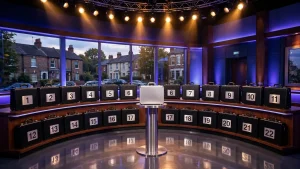
Deal or No Deal Casino UK: Game and Play Guide
The show’s case-by-case decisions are explained alongside checks on demos, bonuses, free spins and online...

Fastest payout online casino UK: what evidence shows
A look at what payout-speed evidence can show and how keno draws, matches and paytables...

French Roulette Online Casinos in the UK: Rules & Play
French roulette’s zero rules can change the cost of an even-money bet, while table formats,...

Hi-Lo Casino UK: Rules, Strategies and Site Checks
Learn how higher, lower and matching-card rules shape a round, and what to compare across...

High-RTP Slots in the UK: How Returns Work
RTP describes a game's theoretical return across repeated play, while individual outcomes can vary from...

JetX casino game in the UK: labels and access
A game’s name or listing does not establish its mechanics, category, demo options or availability...

Live Baccarat Online Casino UK: Rules and Tables
Follow the hand from the opening deal to the final comparison, then weigh table formats,...

Live Blackjack Online Casino UK: Rules and Tables
A practical guide to UK licensing checks, table rules, stakes, live formats and how decisions...

Live Casino Lightning Roulette UK: How It Works
A practical guide to the live studio, betting interface, roulette wheel types and the limits...

Live Roulette UK with English-Speaking Dealers
Live roulette pairs a dealer and physical wheel with an online betting interface, while rules...

Mines Casino Game in the UK: Rules and Risks
A clear look at how game rules, random outcomes, demos and simulator results shape what...

Monopoly Live Casino UK: Format and Online Play
Monopoly Live combines a real-time dealer stream with digital betting controls, so the stream and...

Online Bingo in the UK: Formats, Slots and Play
See how ticket layouts and winning patterns shape bingo play, and how slot games, offers...

American Roulette Online Casinos in the UK: Rules & Odds
Learn how the double-zero wheel differs, how bets and payouts work, and what to check...

European Roulette at UK Online Casinos: Rules & Bets
A practical guide to the single-zero wheel, table bets, payouts, free and real-money play, and...

Online Casino Games for Real Cash in the UK
A practical guide to slot mechanics, real-cash offers, bonus conditions and the rules and payout...

Online Casino Tournaments UK: Formats and Scoring
Slot tournaments can use single or elimination rounds, with rules governing scores, entry, prizes and...

Online casino without ID in the UK: what to expect
UK rules require casinos to check eligibility, so claims of permanent access without identity checks...

Plinko Casino UK: Games, Real Money and Regulation
A guide to assessing Plinko availability, UK casino status and the conditions attached to play....