Castle Casino Licence and Trust Check UK
 Available in GB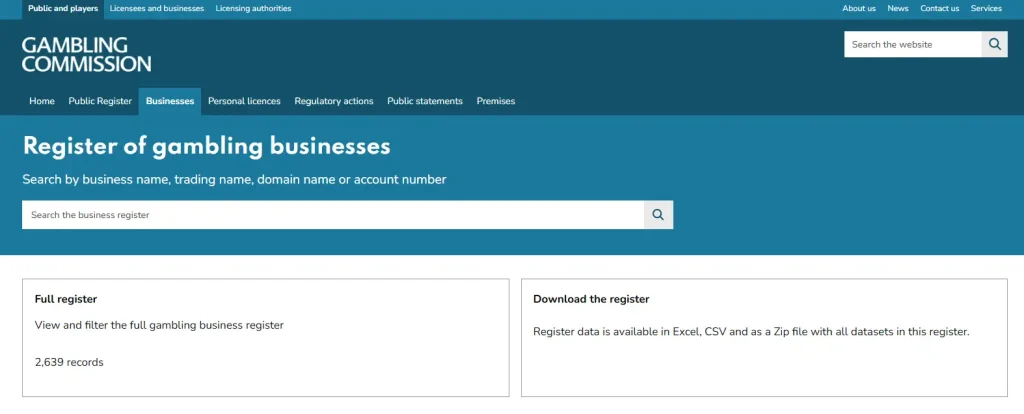
The available evidence did not verify a usable Castle Casino match in the UK Gambling Commission register. A third-party source reports a Curaçao licence claim, but that is a separate non-UK claim and its current status and operator relationship need direct verification. This page shows the evidence gap clearly instead of converting a UK-facing website, GBP balance or payment logo into a licence conclusion.
Trust evidence reviewed for UK readers · 13 September 2026
Table of Contents
- What the licence evidence actually shows
- Operator identity versus jurisdiction
- How much weight should a UK-facing presentation carry?
- Payments and KYC as transparency signals
- Safer-gambling signals and their limits
- Castle Casino trust checklist for UK users
- What independent reputation evidence can and cannot prove
- How to record a trust check
- What does the Castle Casino trust evidence mean for UK users?
- Recommend
What the licence evidence actually shows
The key result is limited but important: a usable Castle Casino entry was not verified in the available UKGC register check. That wording describes the result of this check. It does not say that no licence can exist, and it does not turn an inaccessible or inconclusive register result into a legal conclusion about the brand.
The UK Gambling Commission states that a business providing facilities for remote gambling to consumers in Great Britain needs the relevant licence, including when the business is based abroad. That is the rule a UK reader should use as the benchmark. Whether Castle Casino meets it is a separate brand-specific question that requires a current official register match and a clear operator identity.
A third-party source reports a Curaçao licence claim connected with Castle Casino. That claim should be labelled exactly as that: a report from a non-UK source. It is not evidence of UKGC regulation, and the current status and operator relationship require direct verification. The register of one jurisdiction cannot be substituted for the register of another.
Operator identity versus jurisdiction
Trust checks work best when they separate two identities. The first is the operator identity: the legal or trading name shown in the terms, footer, account area and payment instructions. The second is the jurisdiction: the authority whose rules and register apply to the service offered to the player.
A brand can use one name in its marketing, another name in a corporate disclosure and a third name in a payment or licence reference. That does not automatically mean something is wrong, but it gives the reader a reason to reconcile the names before depositing. Search for the same operator identity across the official terms, regulator register and payment information rather than checking the brand name alone.
For Castle Casino, the available evidence identifies the reviewed brand consistently enough for an editorial review, but it does not provide a usable UKGC match. The reported Curaçao claim belongs in a separate evidence column. A reader should not merge these two points into a single statement that sounds more certain than the sources allow.
How much weight should a UK-facing presentation carry?
UK-facing material can be useful when assessing usability. Castle Casino is presented with GBP, English-language content and categories familiar to UK casino users. Cards, e-wallets and bank transfer routes are listed, and the site is presented as playable in a mobile browser. These details help answer practical questions about the service.
They do not answer the licence question. A website can be designed for a country without holding that country’s local licence. A payment method can be technically visible without guaranteeing account-level availability or UK consumer protection. A responsive page can be easy to use without proving who is responsible for the account.
That is why a trust audit should start with evidence hierarchy rather than visual confidence. A current regulator entry and matching operator identity carry more weight than a badge, a logo or a review claim. Current terms and payment instructions then show whether the site explains how the account works in practice.
Payments and KYC as transparency signals
Payment transparency is not the same as licensing, but it is still a useful trust signal. Before depositing, a reader should be able to identify the payment route, currency, confirmation process and withdrawal path. The Castle Casino payments guide lists the reported categories and explains why the live cashier matters more than a static logo list.
KYC transparency works in the same way. The available evidence supports a general verification requirement, but it does not establish an exact document list or processing time. A trustworthy user experience should explain why verification is requested, where the request appears and how to submit information securely. The registration and KYC guide gives preparation steps without inventing a universal list.
Watch for contradictions: a banner that promises easy access while the terms contain a broad restriction, a payment route that disappears at withdrawal, or a support message that asks for documents outside the authenticated account. None of these points alone proves misconduct, but each deserves clarification before money is committed.
Safer-gambling signals and their limits
The UK-facing material reports deposit limits, self-exclusion and reality checks. These controls are useful categories to look for in the account, but their presence on a page is not proof that every UK regulatory requirement applies to the operator. Check whether the controls are visible, understandable and available before play.
Do not treat a safer-gambling menu as a substitute for licensing evidence. It is one part of the user experience. A complete trust decision also considers who operates the account, which rules govern it, how withdrawals are handled and whether the current terms are consistent.
Castle Casino trust checklist for UK users
- Identify the operator name in the current terms, footer and payment instructions.
- Search the UKGC public register using the correct legal or trading identity.
- Do not treat a UKGC result as confirmed unless the operator and activity match the account you are reviewing.
- Keep any Curaçao or other non-UK claim separate and check its current status through the relevant authority.
- Read the privacy, terms, bonus and withdrawal wording before depositing.
- Check that KYC requests appear through the authenticated account and do not promise a fixed timing.
- Open both deposit and withdrawal screens and compare the payment identity requirements.
- Pause if a material licence, operator or cashout detail cannot be reconciled.
What independent reputation evidence can and cannot prove
Independent reviews can help locate an official URL, reported operator name or historical licence claim. They can also reveal repeated user questions about payments, support or account access. Their value depends on the source quality and date. A review is not a substitute for a regulator register, and a forum discussion is not proof of a current licence status.
Use reputation evidence as a lead for questions. If several sources repeat the same operator name, compare it with the terms and register. If sources disagree about a licence or payout condition, keep the disagreement visible and avoid choosing the most favourable version without a primary source.
Use the Castle Casino UK review for the wider product context after completing the operator and register checks described here.
How to record a trust check
A useful trust check should leave a short record of what was compared without turning uncertainty into a conclusion. Note the operator or trading identity shown in the current terms, the official register page used for the search and the date of the check. If the brand name and the legal identity differ, keep both names visible in your notes so that a similarly named business is not mistaken for the account operator.
Keep non-UK claims in a separate line from UK register evidence. The material reviewed for this guide includes a reported Curaçao claim, while the UK question depends on the UK Gambling Commission framework and a matching operator identity. The purpose of separating those points is not to rate one jurisdiction against another; it is to prevent one claim from being used as evidence for a different regulatory question.
Finally compare the trust evidence with the practical account information already covered elsewhere in the guide: payment routes, KYC instructions, withdrawal steps and safer-gambling controls. Those features can show whether the account is explained consistently, but they do not replace a regulator entry. If a material identity, licence or cashout detail cannot be reconciled, keep the uncertainty visible and verify it before depositing rather than filling the gap with a favourable assumption.
What does the Castle Casino trust evidence mean for UK users?
The evidence supports a cautious, source-led conclusion. Castle Casino has a UK-facing presentation and a reported non-UK licence claim, but a usable UKGC register match was not verified in the available evidence. That leaves a material regulatory question open for anyone who treats local licensing as a requirement before play.
Use the register, current terms, cashier and authenticated account as the decision sources. Do not label the site fully legal or illegal on the basis of this incomplete match, and do not assume that a familiar payment route supplies UK consumer protection. The right next step is verification, not a confident rating.